


Key Points
- Stress is often temporary and resolves when the pressure lifts, trauma leaves a lasting imprint on nervous system and wellbeing.
- Understanding trauma symptoms helps distinguish them from ordinary stress and supports healthier coping or seeking therapy.
- Seek therapy when emotional trauma signs interfere with daily life, persist beyond a few weeks, or cause functional impairment.
Everyday life brings pressures, from deadlines to interpersonal conflicts, and most of us manage stress without professional help. But when an event or experience shakes our sense of safety or overwhelms our capacity to cope, the impact can go beyond stress and become emotional trauma. Recognizing the difference between stress vs trauma is vital, because while stress might fade after a difficult period, trauma can leave deep, lasting effects on our mental, emotional, and physical health. This article helps you understand what distinguishes trauma from stress, how to spot trauma symptoms, and when it might be time to consider therapy. With this knowledge, you can better support yourself or someone you care about on the path toward healing and wellbeing.
Understanding Stress and Trauma
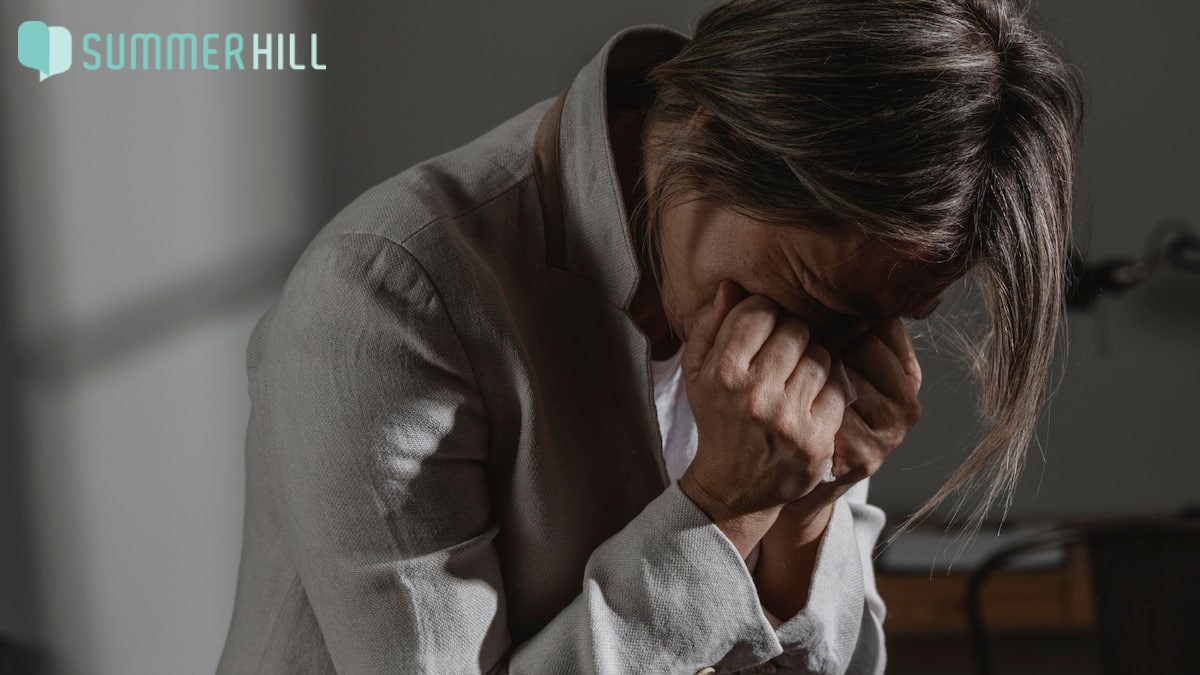
What is Stress
Stress refers to the body and mind’s natural response to pressures or challenges. It is usually triggered by life events or demands, like job pressure, financial worries, or relationship tensions, and may cause:
- temporary feelings of overwhelm, irritability or anxiety
- physical signs such as muscle tension, headaches or fatigue
- difficulty focusing or sleeping
These reactions often fade once the stressful situation resolves. Stress may even motivate positive change or growth when managed effectively.
What is Trauma
Trauma is different in kind and intensity. It involves experiencing or witnessing events that threaten life, safety, or integrity, for example violence, serious accidents, abuse, disasters, or chronic emotional neglect.
According to this definition, trauma can stem from a single severe event (acute trauma), repeated incidents (chronic trauma), or complex and prolonged adversity (complex trauma) such as ongoing childhood abuse.
When such events exceed a person’s capacity to cope or integrate them safely, they can leave a lasting imprint on the nervous system, altering how one thinks, feels, and responds long after the event has ended.
Some experts argue that strict definitions (e.g., those in diagnostic manuals) may not capture the full range of psychological distress in real life. For public health and everyday wellbeing, it may be more useful to view stress and trauma on a spectrum.
Recognizing Trauma Symptoms: Emotional, Cognitive, Physical
When trauma impacts someone deeply, a range of reactions may emerge. Though each person’s response is unique, there are common patterns to watch for, many captured under emotional trauma signs or trauma symptoms.
Common Emotional and Psychological Signs
- Intrusive memories, flashbacks, or nightmares about the event.
- Persistent feelings of fear, shame, guilt, helplessness, detachment, or numbness.
- Mood swings, such as overwhelming sadness, anxiety, irritability, or anger.
- Difficulty trusting others, feeling unsafe or disconnected from relationships.
Cognitive and Behavioral Signs
- Difficulty concentrating, memory problems, confusion.
- Avoidance behavior: steering clear of reminders, places, or people associated with the trauma.
- Loss of interest in previously enjoyable activities, withdrawal, isolation.
- Persistent negative thoughts about self, others, or the world.
Physical and Physiological Signs
- Sleep disturbances: trouble falling asleep, staying asleep, nightmares.
- Hyperarousal: being easily startled, jittery, always on edge, or feeling unsafe even in calm settings.
- Headaches, stomachaches, chronic pain, fatigue, or other physical discomfort without clear medical cause.
Many people might go through some of these signs in the days or weeks following a distressing event, and that can be a normal, adaptive reaction. However, if these reactions persist, intensify, or significantly impact daily functioning, they could signal deeper trauma rather than transient stress.
Trauma vs Stress: How do they differ?
The differences between stress and trauma are not just qualitative but also reflected in duration and effects. The table below illustrates key contrasts.
| Aspect | Stress | Trauma |
| Typical cause | Everyday pressures, short-term demands or life changes | Life-threatening events, violence, abuse, disasters, prolonged adversity |
| Duration of reaction | Temporary, usually subsides after stressor resolves | Can last weeks, months, or persist long term |
| Intensity of reaction | Manageable, proportional to stressor | Overwhelming, often disproportionate, may involve fear, helplessness, dissociation |
| Common effects | Temporary anxiety, irritability, tiredness | Persistent emotional distress, intrusive memories, physical symptoms, impaired functioning |
| Result if unresolved | Usually resolves naturally | Risk of long-term mental health issues (e.g. anxiety, depression, PTSD) |
Over time, unresolved trauma can reshape how the brain and body respond to stress, sometimes leading to chronic health problems or vulnerability to mental health conditions.
When to Consider You Might Need Trauma Therapy

Knowing when to seek therapy can make a major difference in recovery and wellbeing. The following are common indicators that professional support may help.
- You continue experiencing intrusive memories, flashbacks, nightmares, or emotional distress weeks after the event with no improvement.
- Avoidance, emotional numbness, or hypervigilance disrupt your daily life, relationships, work, or sense of safety.
- You feel disconnected from self or others, experience severe mood swings, persistent anxiety, depression, or overwhelming panic.
- Sleep is disturbed long-term, concentration and memory suffer, or physical symptoms like chronic pain or fatigue arise without medical explanation.
- You increasingly rely on harmful coping strategies, like substance use, isolation, or self-harm, to manage emotions.
When these signs persist and impair functioning, it may signal the need for more than self-care , therapy can be an essential tool for healing and regaining balance.
Types of Trauma and How They Show Up
Trauma does not come in just one shape. Understanding different types of trauma can help make sense of varied experiences.
Acute Trauma
This stems from a single event, a serious car accident, natural disaster, assault, or unexpected death. The reactions may start immediately or shortly afterward.
Chronic Trauma
When trauma arises from repeated or prolonged exposure, for example ongoing violence, neglect, emotional abuse, or living under constant threat, the impact often accumulates over time. Chronic trauma may impair self-esteem, relationships, and sense of safety.
Complex Trauma
This refers to multiple, often overlapping traumatic experiences, frequently in childhood (neglect, abuse, instability). Over time, complex trauma may deeply affect identity, emotional regulation, and interpersonal functioning.
Secondary Trauma
Witnessing or hearing about severe trauma affecting someone else, for example first responders, caregivers, or people exposed to repeated stories of trauma, can also have psychological impacts, even if one was not directly harmed.
Understanding which type of trauma you or someone you care about may have experienced helps to better recognize symptoms and choose appropriate healing approaches.
Why Recognizing the Difference Matters
Misunderstanding stress and trauma can delay healing or lead to inadequate coping. Here are some reasons why clarity matters:
- Early recognition and response give you a better chance at recovery before distress becomes chronic or disruptive.
- Appropriate support, whether self-help, social support, or professional therapy, can be tailored to the severity and type of reaction.
- Long-term unresolved trauma can contribute to depression, anxiety, substance use, chronic pain, or other health issues.
- Understanding that reactions are valid and real helps reduce shame, isolation, and self-blame. It encourages seeking care without stigma.
Practical Steps: What You Can Do if You Recognize Trauma Symptoms
If you or someone close to you seems to be struggling with potential trauma, the following steps can help guide toward recovery:
- Prioritize safety: reduce ongoing exposure to stressors or triggers whenever possible.
- Seek connection: trusted friends, family, or support networks can offer understanding and grounding.
- Healthy habits: maintain regular sleep, nourishment, movement, and rest — physical wellbeing supports emotional healing.
- Reflect gently: journaling, mindfulness, or creative expression can help process thoughts and feelings.
- Consider therapy: when symptoms persist or interfere with life, a qualified mental health professional can offer trauma-informed therapy and support.
When to Get Trauma Therapy

Sometimes healing needs more than time, rest or support, therapy can help. Therapy may be indicated if:
- Emotional trauma signs linger more than a few weeks.
- Re-experiencing the event (flashbacks, nightmares), hypervigilance, or avoidance persist.
- Daily functioning or relationships are impaired.
- You feel detached, hopeless, or overwhelmed.
- Self-care, coping, or general quality of life are declining.
Making the decision to seek help is a sign of strength. It shows you value your mental and emotional health, and you are committed to recovery.
Frequently Asked Questions
What makes trauma different from normal stress?
Normal stress often resolves when the triggering situation ends, while trauma involves overwhelming or life-threatening experiences that can leave long-lasting emotional and physical effects.
Can one experience trauma even without physical injury?
Yes, trauma can be emotional or psychological, triggered by threats, violence, disasters, or witnessing traumatic events, even without direct physical harm.
Does everyone who experiences a traumatic event need therapy?
Not always. Some people recover over time with support and healthy coping. Therapy becomes vital when symptoms persist, worsen, or interfere with daily life.
How soon after a traumatic event should I consider seeking help?
If trauma symptoms, such as intrusive memories, sleeplessness, hypervigilance, or emotional numbness, last more than two to three weeks and affect your functioning, consider seeking therapy.
What kind of therapy helps with trauma?
Trauma-informed therapies help by focusing on safety, emotional regulation, processing painful memories, and rebuilding a sense of control, connection, and wellbeing.
Reclaim Your Calm and Take Control of Your Healing
Trauma and overwhelming stress can blur together, but you don’t have to figure it out on your own. Summer Hill offers compassionate support to help you understand trauma vs stress, recognize emotional trauma signs, and rebuild the sense of safety that difficult experiences can take away. Through personalized therapy, grounding strategies, and evidence based healing methods, you can move toward clarity, stability, and confidence in your daily life.
Your next chapter begins with one choice: reaching out. Whether you’re looking for a therapist in New York or a skilled online counselor, help is within reach. When you’re unsure about when to get trauma therapy, we guide you toward the right level of care. Let this be your invitation to step into healing with support you can trust.
