


Key Points:
- Therapy teaches practical coping tools to manage anxiety, reduce stress, and restore balance.
- Consistent relaxation techniques and mindfulness practices strengthen resilience and emotional well-being.
- Combining therapy with healthy habits promotes lasting calm, focus, and improved mental health.
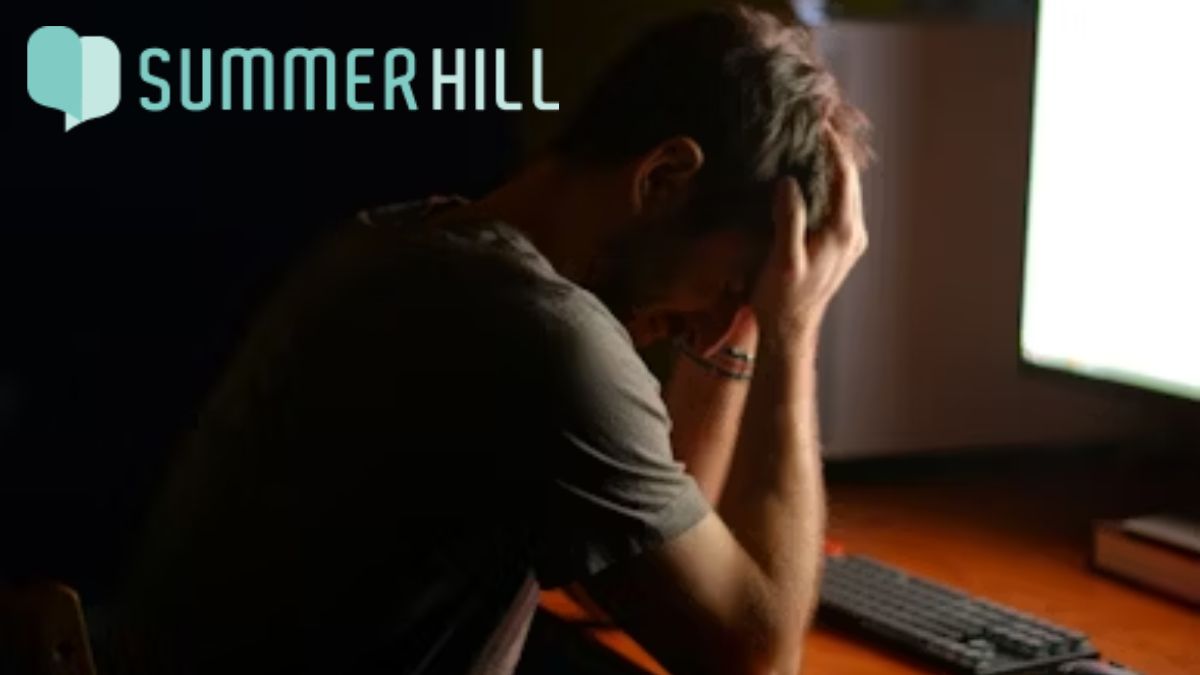
Life today often feels like an endless to-do list, a perpetual balancing act. Is it any wonder so many of us feel stretched too thin, constantly running on empty? That feeling of persistent pressure, of being overwhelmed, is stress. It’s more than just a bad day; it’s a physical, emotional, and mental response that, when left unchecked, can seriously diminish your quality of life. The good news is that you don’t have to navigate this journey alone. Seeking professional stress therapy is a powerful, proactive step you can take toward reclaiming your peace. You possess more control over your well-being than you might think. Let’s explore exactly how therapy provides the tools mental health support you need to not just manage, but master, the stressors in your life.
Therapy in New York: Finding Support That Works
If you’re living in New York, therapy isn’t just about talking, it’s about learning strategies that genuinely work. Licensed therapists offer guidance tailored to your needs, whether you struggle with workplace stress, relationship pressures, or general life overwhelm. Therapy provides a safe environment to explore feelings without judgment, helping you identify root causes of stress.
- Identify triggers: Therapists help you pinpoint sources of stress, from job pressures to interpersonal conflicts.
- Develop coping skills: Evidence shows cognitive-behavioral therapy (CBT) reduces stress and anxiety by 30–40% over three months (Hofmann et al., 2012).
- Enhance emotional well-being: Structured sessions help manage mood swings and irritability, improving daily interactions.
By committing to regular sessions, you can create lasting changes. Therapy in New York combines professional support with practical, everyday strategies, making stress management feel achievable.
Relaxation Techniques: Your Stress Toolkit
 Learning how to relax isn’t indulgent, it’s essential. Relaxation techniques can reduce the fight-or-flight response, lower heart rate, and improve focus. Experts recommend practicing them consistently, not just when you feel stressed.
Here are some effective approaches:
- Deep breathing: Inhale slowly for four counts, hold for four, and exhale for six. Repeat for five minutes. Studies show controlled breathing reduces cortisol levels by 20% (Jerath et al., 2015).
- Mindfulness meditation: Sit quietly, notice your thoughts, and gently return focus to your breath. Even 10 minutes daily can decrease anxiety symptoms significantly (Khoury et al., 2015).
- Progressive muscle relaxation: Tense each muscle group for a few seconds, then release. This practice relieves physical tension linked to chronic stress.
Other techniques include guided imagery, yoga, and tai chi. Pick what resonates with you and practice regularly. Over time, these strategies become natural tools to handle stressful situations effectively.
Anxiety Treatment: Therapy as a Lifeline
Anxiety often accompanies chronic stress, making daily life feel overwhelming. Therapy offers multiple approaches to manage anxiety, from cognitive restructuring to exposure techniques.
- CBT (Cognitive Behavioral Therapy) helps identify unhelpful thought patterns and replace them with more realistic ones. Research by Butler et al., 2006, shows CBT reduces generalized anxiety symptoms in over 60% of participants.
- Exposure therapy gradually confronts feared situations, decreasing avoidance behaviors and building confidence.
- Acceptance and Commitment Therapy (ACT) encourages mindfulness and helps people focus on values instead of fear, improving long-term emotional resilience.
Therapy doesn’t just relieve symptoms. It teaches coping skills that can be used across different stressors, promoting lasting mental wellness.
Stress Management Tips: Small Changes, Big Impact
Managing stress isn’t about eliminating it completely, it’s about responding effectively. Here are practical stress management tips backed by research:
- Move your body: Physical activity releases endorphins, reduces tension, and improves sleep. Even 20 minutes of brisk walking daily can lower stress hormone levels (Salmon, 2001).
- Prioritize tasks: Break down projects into manageable steps. Using a simple to-do list can help reduce the feeling of being overwhelmed and make tasks more achievable.
- Connect with others: Spending time with supportive friends or family improves resilience. Social support has been linked to lower stress and enhanced immune function (Cohen & Wills, 1985).
- Schedule downtime: Include leisure activities daily, whether reading, gardening, or listening to music. Time for fun is critical to emotional well-being.
- Practice mindfulness: Small, daily meditation sessions can reduce anxiety, improve concentration, and increase emotional control.
By integrating even a few of these tips into your routine, you can transform stress from an overwhelming force into a manageable part of life.
Coping Skills: Building Resilience One Step at a Time
Coping skills are tools you can use to navigate stress effectively. Therapy often focuses on strengthening these skills, helping you respond calmly to challenges.
Some practical coping strategies include:
- Journaling: Writing down thoughts and feelings helps identify patterns and triggers. It also encourages reflection and problem-solving.
- Breathing exercises: Paired with mindfulness, deep breathing can interrupt stress cycles in real time.
- Visualization: Imagining a peaceful scene or successful outcome can reduce anxiety and improve focus.
- Positive self-talk: Replace negative thoughts with encouraging ones. Studies suggest reframing stress improves cognitive flexibility (Folkman & Moskowitz, 2000).
By practicing these coping skills consistently, you develop resilience, emotional balance, and a sense of control over your life.
Emotional Well-Being: The Heart of Therapy
Stress doesn’t just affect your mind, it impacts your whole body. Emotional well-being is a central goal of therapy, emphasizing self-awareness, self-compassion, and proactive stress management.
Benefits of focusing on emotional well-being include:
- Improved relationships: Understanding your emotions helps you communicate more effectively.
- Better decision-making: Clear thinking replaces impulsive reactions.
- Physical health benefits: Lower stress hormones improve sleep, reduce blood pressure, and strengthen immunity.
Therapy creates a supportive environment where emotional well-being is nurtured, allowing stress to be managed more effectively in daily life.
Mental Wellness: A Daily Commitment
Maintaining mental wellness isn’t a one-time fix, it’s a daily commitment. Therapy equips you with tools, habits, and insights that make this sustainable.
- Counseling services provide accountability, ensuring you practice techniques regularly.
- Daily relaxation techniques, such as mindfulness or breathing exercises, reinforce coping skills.
- Regular check-ins with a therapist can track progress and adjust strategies as life evolves.
Data from the National Institute of Mental Health suggests that individuals who actively engage in mental wellness practices experience lower stress and higher life satisfaction (NIMH, 2021).
Combining Therapy with Lifestyle Changes
Therapy is most effective when combined with healthy lifestyle habits. Consider the following:
| Area | Recommended Habit | Benefit |
| Sleep | 7–9 hours per night | Improves mood, focus, and energy |
| Nutrition | Balanced diet rich in fruits, vegetables, and lean protein | Reduces fatigue, supports brain function |
| Exercise | 20–30 minutes daily | Lowers cortisol and boosts endorphins |
| Mindfulness | 10 minutes daily | Reduces anxiety and enhances coping |
| Social Connection | Regular interaction with supportive people | Strengthens resilience and emotional support |
These lifestyle adjustments complement therapy, creating a holistic approach to stress management.
FAQ: Stress Therapy and Coping Strategies
 1. Can therapy help with stress even if I don’t have a diagnosed mental health condition?
Absolutely. Stress therapy focuses on practical coping skills and emotional well-being, not just mental health diagnoses. Everyone can benefit.
2. How often should I practice relaxation techniques to see results?
Daily practice, even for 10 minutes, can make a measurable difference. Consistency matters more than duration.
3. Are online therapy sessions as effective as in-person ones?
Research suggests online therapy can be equally effective for stress management and anxiety treatment, especially when guided by licensed professionals (Andersson et al., 2014).
4. Can stress therapy improve my work-life balance?
Yes. Therapy helps identify priorities, develop coping strategies, and establish boundaries, making it easier to balance responsibilities.
5. What’s the best way to track my stress over time?
Keeping a stress journal or diary can reveal patterns, triggers, and progress. Include date, time, situation, emotional reaction, and coping method to track trends.
Taking Charge of Your Stress Journey
 Stress is part of life, but it doesn’t have to control you. Summer Hill offers tools, techniques, and support to help you regain balance, improve emotional well-being, and build stronger coping skills. With therapy, relaxation methods, anxiety strategies, and daily stress tips, you can face life’s challenges with assurance.
Managing stress begins with a single step: reaching out. If you’re looking for a therapist in New York, support is available. Summer Hill helps you build resilience and lasting emotional strength.
Managing stress begins with a single step: reaching out. Whether you’re looking for a therapist in New York or a trusted online counselor, support is available. Summer Hill helps you build resilience and lasting emotional strength. Stress isn’t a weakness, it’s a chance to grow. Take that first step today and reach out to us to start your journey toward calm, clarity, and confidence.
