

Women’s mental health is often discussed in broad terms, yet many of the stressors that shape emotional wellbeing remain overlooked. While anxiety, depression, and burnout affect people of all genders, women frequently carry pressures that are less visible and less openly acknowledged.
These pressures are often woven into daily life, relationships, and social expectations. Over time, they can accumulate quietly, influencing emotional health in ways that are easy to dismiss or normalize. Understanding these patterns is an important step toward recognizing when support may be needed.
The Cumulative Stress of Daily Emotional Responsibilities
One of the most overlooked contributors to women’s mental health issues is the ongoing emotional responsibility many women carry each day. This includes the mental effort involved in anticipating needs, tracking responsibilities, and staying emotionally attuned to the people around them.
Daily emotional responsibilities often involve remembering schedules, managing logistics, monitoring others’ moods, and stepping in to support family members, partners, or colleagues. While each task may seem manageable on its own, the cumulative stress of constantly holding this information can lead to emotional fatigue and chronic strain.
Because this work often happens quietly and without recognition, many women minimize its impact or view it as simply part of daily life. Over time, carrying this responsibility without adequate rest or support can significantly affect emotional wellbeing.
How Gender-Related Stress Shapes Mental Health
Gender stress mental health patterns develop through a combination of social expectations, cultural norms, and lived experience. From an early age, many women receive messages about being accommodating, responsible, emotionally available, and capable of managing multiple roles at once.
These expectations influence how stress is processed and expressed. Women may be more likely to internalize distress, leading to anxiety, self criticism, or feelings of inadequacy. They may also feel responsible for maintaining emotional balance in relationships, even when it requires suppressing their own needs.
Gender related stress can also be intensified by experiences such as unequal caregiving responsibilities, workplace pressure, bias, or past relational trauma. When these factors overlap, stress becomes ongoing rather than situational.
Why These Stressors Often Go Unnoticed
Many women’s mental health issues remain unaddressed because the stressors behind them are widely normalized. Being busy, exhausted, or emotionally stretched is often framed as an expected part of womanhood rather than a signal that support may be needed.
Stressors may go unnoticed because women often:
- Compare themselves to others who appear to manage similar demands
- Minimize emotional distress as temporary or expected
- Prioritize others’ needs over their own wellbeing
- Have limited time or space to reflect on their internal experience
As a result, symptoms such as irritability, sleep disruption, emotional numbness, or persistent anxiety may be overlooked until they begin to interfere with daily functioning.
The Impact on Emotional and Physical Wellbeing
Carrying sustained emotional responsibilities and gender related stress can affect both emotional and physical health. Chronic stress places ongoing demands on the nervous system and reduces the body’s ability to recover.
This impact may show up as:
- Persistent anxiety or low mood
- Difficulty concentrating or making decisions
- Emotional exhaustion or loss of motivation
- Physical symptoms such as headaches, muscle tension, or fatigue
Because these experiences often develop gradually, they may be mistaken for personality traits or unavoidable life circumstances rather than signs of emotional overload.
Creating Space for Awareness and Support
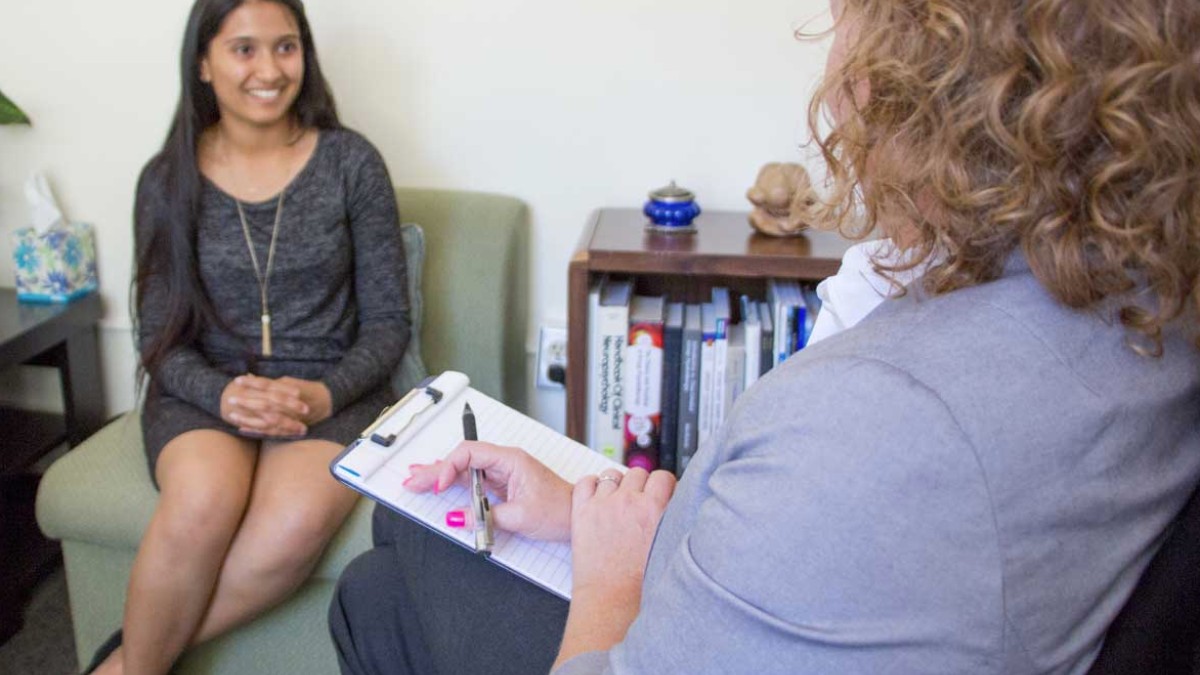
Recognizing these patterns allows room for awareness and self compassion. Therapy can provide a structured space to explore how emotional responsibilities and gender related stress show up in daily life.
Therapy can support women by:
- Exploring how emotional responsibilities developed over time
- Identifying stress patterns linked to roles and expectations
- Strengthening boundaries and communication skills
- Developing coping strategies that support emotional regulation and rest
Having a space where experiences are validated without judgment can be an important part of emotional healing.
When to Consider Reaching Out
Support can be helpful long before stress reaches a breaking point. Women may benefit from therapy if they notice persistent emotional exhaustion, difficulty expressing needs, or a sense of disconnection from themselves or others.
Seeking support is not a sign of failure. It is often a response to carrying more than one person was meant to manage alone.
Compassionate Care for Women’s Mental Health
At Summerhill Health, therapy is grounded in understanding the unique stressors that shape women’s mental health. Care is individualized, supportive, and focused on helping clients feel heard and understood.
If emotional load, stress, or unrecognized pressure is affecting your wellbeing, therapy can help you explore these experiences and develop healthier ways to care for yourself.
Contact Summerhill Health to schedule an appointment and take a supportive step toward emotional balance and wellbeing.
