


When people hear the phrase “mental health clinic services,” they often picture a couch, a quiet office, and long talks with a therapist. But clinics today are so much more. They’re busy hubs filled with care, learning, and hope.
These places serve kids, teens, adults, and older adults. Services are designed around each person’s needs. From therapy to medication support to preventive care, the range is wider than most people imagine.
The National Institute of Mental Health reports that nearly one in five U.S. adults experiences a mental health condition each year. Clinics step in as lifelines. They give structured care in safe, professional settings.
So, what actually happens when you walk through the doors of a mental health clinic? Let’s take a look.
Mental Health Evaluations
Every care plan starts with an evaluation. Think of it as a blueprint. A licensed professional asks questions about moods, habits, sleep, and medical history. Sometimes, structured interviews or short tests are added.
Why does this matter? Evaluations help match the right services to the right person. A CDC report found that early assessments often lead to earlier care, which may improve long-term results.
An evaluation may result in:
- Diagnosing conditions like anxiety, depression, or ADHD
- Recommending therapy or medication support
- Referring clients to specialized programs
It’s like setting a GPS before the journey even begins.
Individual Therapy
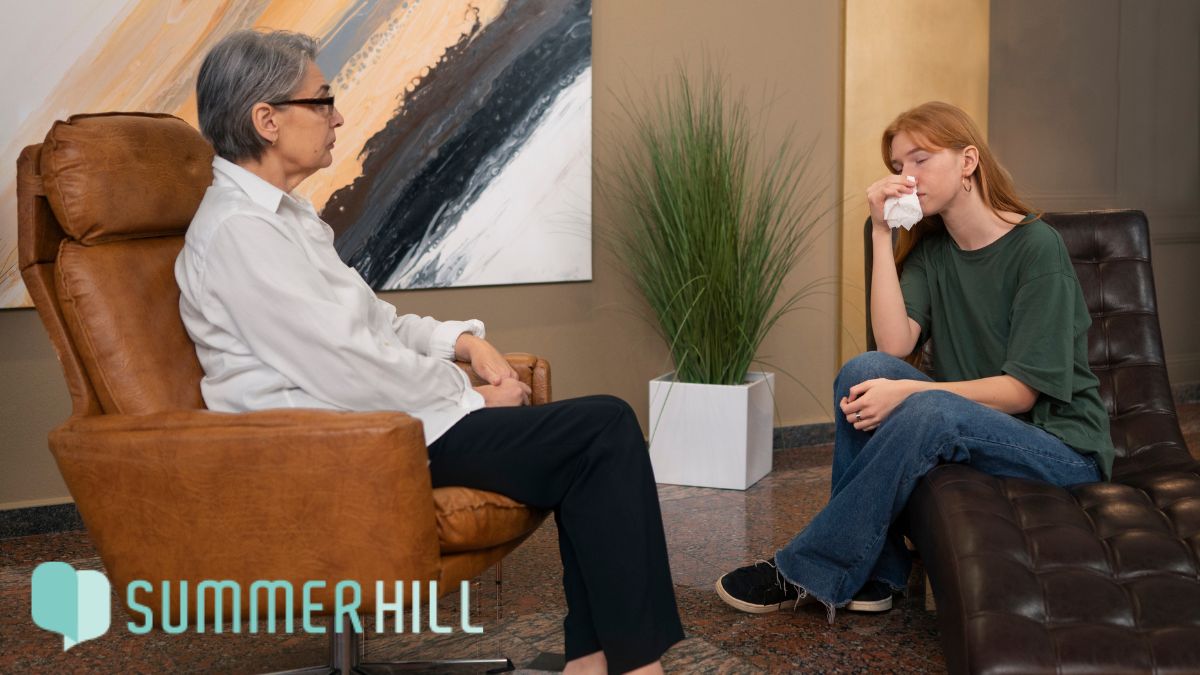 One of the most common mental health clinic services is individual therapy. This is a one-on-one conversation with a therapist. Sessions give you space to untangle thoughts and build healthier patterns.
Therapists use several approaches:
- Cognitive Behavioral Therapy (CBT): Helps shift unhelpful thought patterns
- Dialectical Behavior Therapy (DBT): Teaches emotional control and coping skills
- Acceptance and Commitment Therapy (ACT): Encourages mindfulness and choices based on values
According to the American Psychological Association, about 75% of people see benefits from therapy after only a few sessions.
Ever wished for a safe place to sort your thoughts? That’s exactly what individual therapy offers.
Group Therapy
Healing doesn’t have to be done alone. Many clinics provide group therapy. Small groups meet with a therapist to share experiences.
This setting creates:
- A sense of belonging
- Learning through peers’ stories
- A place to practice new communication skills
Research in Psychiatric Services shows group therapy works well for depression and anxiety. It eases isolation and builds resilience.
Imagine sitting in a room where everyone understands what you’re going through—that’s group therapy.
Family Therapy
Mental health often affects more than the individual. Families feel the ripple effects too. Clinics offer family therapy to rebuild bonds and improve communication.
Sessions may focus on:
- Conflict resolution
- Parenting support
- Building empathy within the family
Studies suggest family therapy reduces relapse rates in teens with behavior challenges. It gives loved ones the tools to support each other better.
Can you picture a family meal where everyone feels heard? That’s the aim of family therapy.
Medication Management
Not all conditions improve with therapy alone. Some need medication support. Clinics often have psychiatrists or nurse practitioners on staff for this purpose.
Medications may include:
- Antidepressants
- Mood stabilizers
- Anti-anxiety medication
- Antipsychotics
Medication management ensures the dosage is right, side effects are tracked, and progress is measured. Research shows combining therapy with medication often brings stronger results for conditions such as depression.
Case Management
 Life outside the clinic can be complicated. Case management helps clients connect to services beyond therapy.
Case managers assist with:
- Finding housing or work support
- Navigating social service programs
- Coordinating care between providers
For people with complex conditions, case management acts as the glue that keeps services connected.
Crisis Intervention
What happens if someone faces an urgent mental health crisis? Clinics often provide immediate help.
Crisis services may include:
- 24/7 hotlines
- Walk-in emergency appointments
- Safety planning for self-harm or suicidal thoughts
According to SAMHSA, fast crisis support lowers hospital visits. It’s about stabilizing a situation before it gets worse.
Peer Support Programs
Sometimes the best support comes from someone who has been there. Peer support pairs clients with trained mentors who have lived through mental health challenges.
Benefits include:
- Encouragement from someone relatable
- Sharing practical coping tools
- Modeling what recovery looks like
A 2020 study found peer support boosted treatment engagement and hope.
Intensive Outpatient Programs (IOPs)
When weekly therapy isn’t enough, clinics may suggest IOPs. These programs are more structured but don’t require staying overnight.
Typical features include:
- Therapy sessions several days per week
- Both group and individual counseling
- Education about coping tools
IOPs let clients continue school or work while receiving care. They strike a balance between structure and flexibility.
Partial Hospitalization Programs (PHPs)
PHPs offer even more structure than IOPs. Clients receive care during the day but return home at night.
Services may involve:
- Daily group therapy
- Skills workshops
- Medication monitoring
PHPs work well for people leaving inpatient care or needing more than weekly therapy.
Dual Diagnosis Treatment
Mental health and substance use often overlap. Dual diagnosis treatment addresses both.
Programs may combine:
- Therapy for mental health conditions
- Relapse prevention plans
- Support groups tailored to co-occurring disorders
Studies show treating both conditions together reduces relapse more than treating them separately.
Support for Children and Teens
Kids and teens face unique challenges. Clinics often provide services like
- Play therapy
- School-based interventions
- Social skills groups
The CDC notes that one in six U.S. children ages 2–8 has a mental, behavioral, or developmental condition. Early care can make a huge difference.
Geriatric Mental Health Services
Older adults may struggle with grief, memory changes, or late-life depression. Clinics provide specialized care to support them.
Programs may include:
- Cognitive therapy for memory
- Counseling for life changes
- Group activities to fight isolation
The National Institute on Aging highlights that treating mental health in seniors improves quality of life and longevity.
Teletherapy and Digital Services
Technology makes mental health clinic services more accessible. Many clinics now provide teletherapy by video or app.
Benefits include:
- Access for rural communities
- Flexible scheduling
- Continued care while traveling
A 2022 study in the American Journal of Psychiatry found teletherapy often works as well as in-person care for many conditions.
Wellness and Preventive Programs
Not every program treats illness directly. Many clinics provide wellness services to build resilience.
These may involve:
- Mindfulness or meditation workshops
- Stress relief classes
- Coaching for healthier daily habits
The aim is to help people thrive, not just recover.
Table: Common Mental Health Clinic Services
| Service | Purpose | Who Benefits Most |
| Mental Health Evaluation | Identify needs and create a plan. | All new clients |
| Individual Therapy | One-on-one support | Adults, teens, kids |
| Group Therapy | Peer support and learning | Anxiety, depression, addiction |
| Family Therapy | Strengthen family ties. | Parents, couples, caregivers |
| Medication Management | Prescribe and monitor medication. | People needing medical support |
| Case Management | Connect care beyond the clinic. | Severe or complex cases |
| Crisis Intervention | Immediate safety and support | Anyone in crisis |
| Peer Support | Guidance from lived experience | Recovery-focused clients |
| Intensive Outpatient (IOP) | Flexible, structured therapy | Moderate to severe symptoms |
| Partial Hospitalization (PHP) | Daytime care, home at night | Post-inpatient or higher needs |
| Dual Diagnosis Care | Address mental health and substance use. | Co-occurring disorders |
| Child & Teen Services | Play therapy, school programs | Young clients |
| Geriatric Services | Support for seniors | Older adults |
| Teletherapy | Virtual care options | Rural or busy clients |
| Wellness Programs | Build resilience, prevent relapse. | Anyone seeking balance |
FAQs
1. Do I need a referral to access mental health clinic services?
Not always. Many clinics welcome walk-ins or self-referrals. Some specialized programs may ask for a doctor’s note.
2. Can clinics help with stress, even without a diagnosis?
Yes. Preventive and wellness programs often focus on stress, burnout, or daily challenges. A diagnosis isn’t required to benefit.
3. Are there services for veterans or first responders?
Absolutely. Many clinics design programs for trauma, PTSD, and job-related stress.
4. What role do lifestyle choices play in clinic services?
Some clinics add nutrition, sleep, or exercise coaching. Healthy daily habits often improve mental well-being.
5. How do clinics track progress in treatment?
Therapists may use goal-setting, check-ins, or rating scales. Clients are part of this process.
Choosing the Right Path for Your Mental Health
 Walking into a clinic doesn’t mean you’re broken. It means you’re choosing to invest in yourself. At Summer Hill, care is built around what fits you best. From evaluations to teletherapy, services are broad yet personal.
Maybe you’re looking for therapy. Maybe you need family support or help managing medication. Or maybe you want preventive care to stay balanced. Whatever your path, clinics like Summer Hill in New York are here to guide you.
Taking that first step may feel overwhelming, but it’s also the most important. At Summer Hill, mental health care is designed to be compassionate, accessible, and tailored to you. If you’ve ever wondered what happens behind those clinic doors, now you know—it’s a world of possibilities waiting to help you grow stronger and healthier.
Ready to take your first step toward healing? Reach out today. We’re here to help you thrive.
