


Key points:
- Stress shows up as real body signals, from headaches to stomach problems, not just as “feeling stressed.”
- Long term stress affects heart, immunity, sleep and brain function, so early action matters.
- Practical steps, like breathing, sleep, movement and therapy, reduce symptoms and prevent escalation.
Does your jaw clench, your heart race, or your stomach tighten when pressure builds? These are common physical symptoms of stress, your body’s way of sounding the alarm when the mind feels overwhelmed. Many people ignore these signals, pushing through until burnout hits. But your body remembers what your mind tries to forget.
Recognizing the physical symptoms of stress early allows you to slow down and restore balance before they spiral into chronic issues. Therapy helps you listen to your body with awareness, process emotions safely, and find calm through breath, mindfulness, and connection. Stress doesn’t have to control your body, you can learn to respond instead of react.
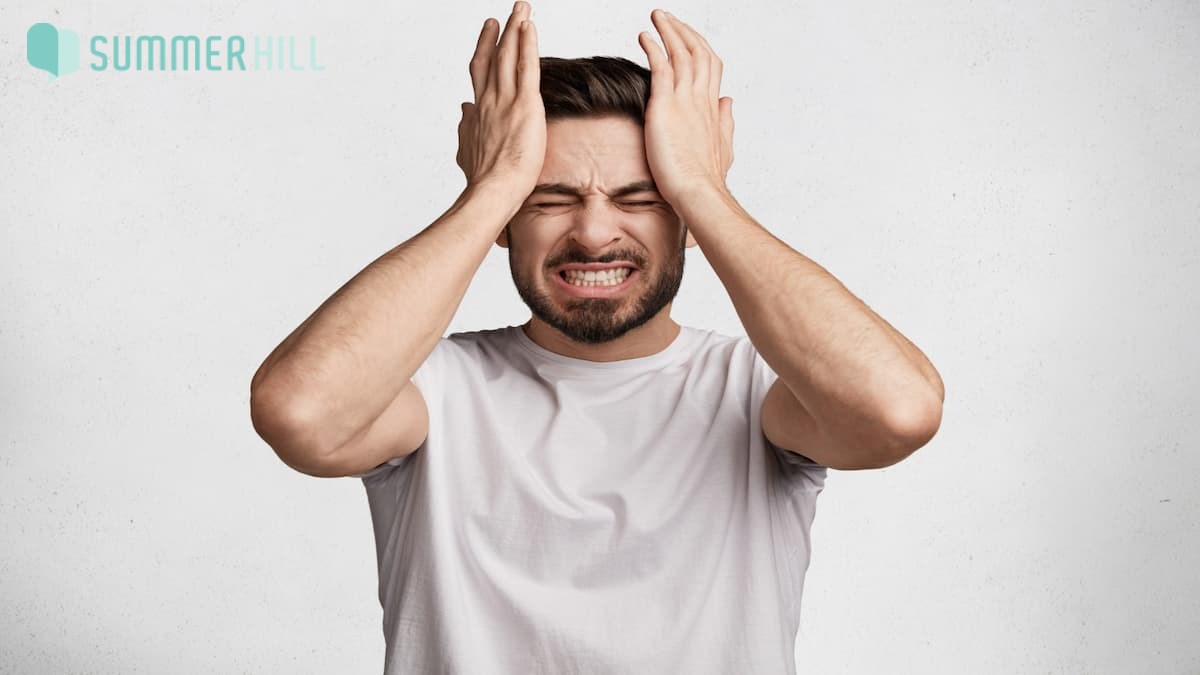
How stress produces physical symptoms
When you sense threat or pressure, your body triggers two fast-response systems: the sympathetic nervous system, which reads as “fight or flight,” and the hypothalamic-pituitary-adrenal axis, usually called the HPA axis. These systems release adrenaline and cortisol, hormones that speed the heart, tighten muscles, change digestion, and alter immune activity so you can react quickly. That response is useful short term, but when it is triggered often or does not switch off, it produces ongoing physical effects.
Repeated activation of stress pathways also reshapes how the brain processes threats and rewards, and over months it can change sleep, memory, and mood regulation. Chronic stress may therefore both cause physical symptoms, and make them harder to shake.
Common physical symptoms of stress, by system
Below are symptoms people commonly notice, grouped so you can match what you feel to likely stress-related causes. If several of these occur together and there is no clear medical cause, stress is often an important contributor.
Head, nervous system and sleep
- Persistent or tension headaches, pressure in the head, and migraines.
- Dizziness, lightheadedness, and “brain fog,” including trouble concentrating and fuzzy recall.
- Trouble falling or staying asleep, waking early, and non-restorative sleep.
Sleep and stress are tightly linked, poor sleep worsens stress reactivity, and stress makes sleep worse, creating a cycle.
Heart and breathing
- Palpitations, racing heart, a sense of chest tightness or faster breathing.
- Shortness of breath when anxious, or hyperventilation during panic.
Frequent stress raises blood pressure temporarily, and when prolonged it contributes to cardiovascular risk factors. If you experience chest pain, seek urgent medical care.
Muscles, posture and pain

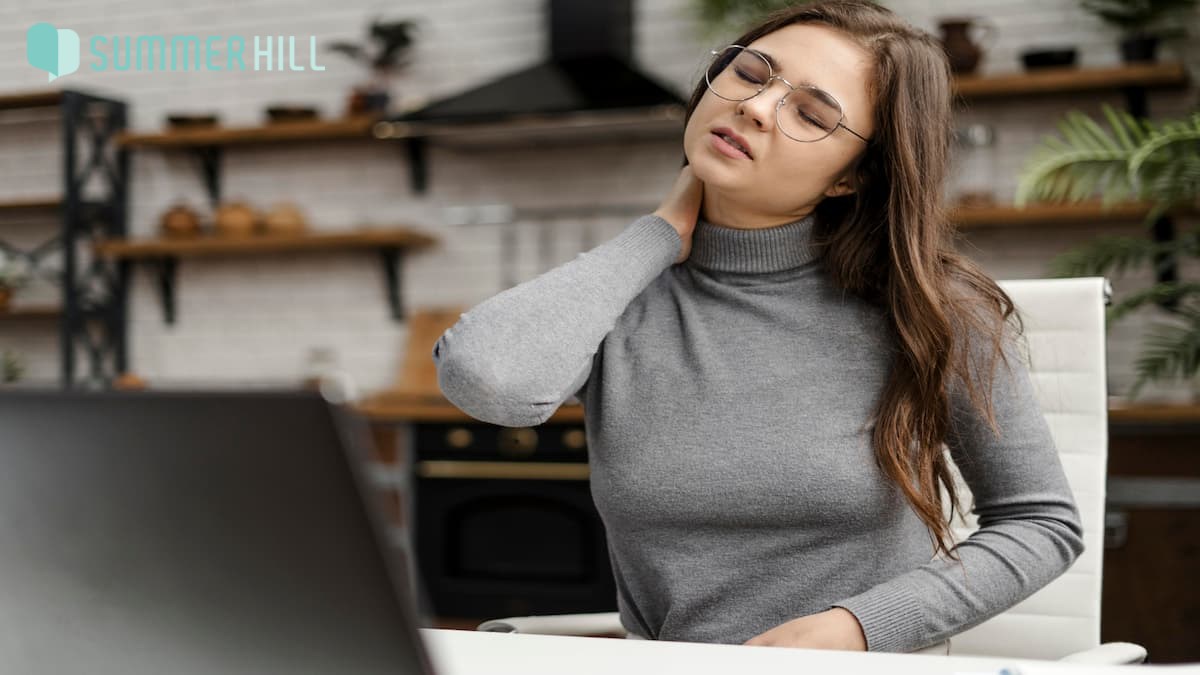
- Neck, shoulder, jaw and back tension, often causing pain and restricted movement.
- Muscle aches that feel worse at the end of the day, and tooth clenching or TMJ pain.
Muscle tension is the body’s way of bracing against perceived threats, and over time it produces chronic pain patterns.
Digestion and appetite
- Nausea, indigestion, bloating, cramps, diarrhoea or constipation, and loss or increase of appetite.
- Worsening of functional gut conditions like irritable bowel syndrome, since stress alters gut function and gut-brain signaling.
Skin, hair and immune signs
- Acne flare-ups, eczema or psoriasis becoming worse, and slower wound healing.
- Increased hair shedding or thinning, including telogen effluvium after prolonged stress.
Stress influences immune and inflammatory pathways that affect skin and hair health.
Energy, weight and metabolic effects
- Chronic fatigue, low energy, and changes in weight, either loss or gain due to appetite or metabolic shifts.
- Ongoing stress alters how the body handles glucose, appetite hormones, and fat storage, which may raise long-term metabolic risk.
Sexual and reproductive health
- Loss of libido, menstrual irregularities, erectile difficulties, or fertility difficulties when stress is prolonged.
Hormones that regulate reproduction are sensitive to ongoing stress, so sexual function can be an early stress barometer.
Why chronic stress raises health risks
If stress remains high for weeks or months, the same systems that protect you in emergencies begin to damage tissues. Persistently high cortisol and repeated spikes of adrenaline are linked to higher blood pressure, increased cholesterol and blood sugar, inflammation, and unhealthy behaviors such as poor sleep and overeating. Over years these changes raise the risk of heart disease, stroke, obesity and metabolic disorders. That is why identifying stress-related physical symptoms early matters.
Chronic stress also weakens immune resilience, increasing susceptibility to infections and slowing recovery. In addition, the brain areas that manage memory and mood show structural and functional changes with prolonged stress, which explains why chronic stress often coexists with anxiety and depression.
Quick assessment, and when symptoms are urgent
If you are trying to decide whether symptoms point to stress or require immediate care, use this practical approach:
Red flags, seek urgent care, or call emergency services if you have any of these:
- Severe chest pain, pressure, or pain that spreads to the jaw or arm.
- Trouble breathing, fainting, sudden weakness, sudden vision changes, or confusion.
- High fever with severe pain, unusual bleeding, or signs of severe infection.
If you have persistent but non-emergency symptoms, track them for two to four weeks, noting time of day, triggers, severity, and what relieves them. Share the record with your clinician; it helps separate stress-related patterns from other medical causes.
Evidence-based steps to reduce physical symptoms now
Below are practical, research-backed actions to try immediately. These steps target the body systems most affected by stress, and are chosen because they are simple, often effective, and low risk. Where possible I note supporting evidence.
Slow breathing for immediate relief
Try 4-6 slow diaphragmatic breaths, inhaling for 4 seconds, exhaling for 6 seconds, repeat for 2 to 5 minutes. Slow breathing reduces sympathetic activity and lowers heart rate and feelings of panic. Use during palpitations, dizziness, and before sleep.
Progressive muscle relaxation for tension and sleep
Systematically tense and relax muscle groups from toes to head, 10 to 15 minutes nightly. PMR reduces anxiety, muscle tension and can improve sleep quality. Evidence supports its effectiveness across groups.
Regular movement and brief workouts
Aim for 20 to 40 minutes most days, using activities you enjoy such as walking, cycling, or yoga. Exercise lowers cortisol and raises endorphins, which reduces perceived stress and improves sleep. Short bouts during the workday break cycles of tension.
Improve sleep habits
Keep a regular bedtime and wake time, avoid screens one hour before bed, reduce caffeine after midday, and make the bedroom cool and dark. Better sleep helps lower baseline cortisol and improve daytime energy.
Mindful eating and gut care
Eat slowly, limit high-sugar and highly processed foods, and include fibre and protein to stabilise digestion. If you have IBS symptoms, tracking triggers and discussing gut-directed approaches with a clinician helps. The gut-brain axis connects stress and digestion, so calming strategies help GI symptoms.
Skin and hair care steps
Keep routines simple, avoid over-washing or aggressive products while addressing inflammation with gentle care. If hair shedding is sudden or severe, see a dermatologist; many cases of telogen effluvium improve after stress eases.
Short cognitive tools you can use anywhere
Label the emotion and the physical sensation, then ask, what is the next useful action? That small cognitive pause reduces reactivity. If unhelpful thinking is persistent, structured CBT works to reframe thought patterns and reduce bodily stress.
Limit unhelpful quick fixes
Alcohol, nicotine and excessive caffeine often increase baseline anxiety and disrupt sleep, which worsens physical symptoms. Replace them with short walks, breathing, or a brief phone call with a friend.
What therapy and medical care can do

Therapies such as Cognitive Behavioral Therapy are strongly supported by evidence for reducing anxiety, stress and related physical symptoms, because they teach skills to interrupt the cycles that keep the body in high alert. For digestive issues tied to stress, combining dietary, behavioral, and psychological treatments often works best. If symptoms are severe or persistent, a coordinated plan with your primary care clinician and a mental health professional is recommended.
If you decide to pursue therapy, look for approaches that address both thoughts and bodily responses, such as CBT, or therapists trained in mind-body approaches. (Cognitive Behavioral Therapy) is one practical starting point for people whose stress is causing disruptive physical symptoms.
A simple 6-week starter plan to reduce physical stress
- Week 1, baseline: Track symptoms, sleep, meals, and triggers, three times daily notes. This data helps clinicians and shows patterns.
- Week 2, breathing: Practice slow diaphragmatic breathing twice daily, and during spikes. Notice changes in heart rate and calm.
- Week 3, movement: Add 20 to 30 minutes of moderate activity five days per week. Track sleep improvements and energy.
- Week 4, sleep hygiene: Fix bed and wake times and reduce screens before bed. Continue breathing and exercise.
- Week 5, relaxation skill: Learn progressive muscle relaxation or guided imagery, do it nightly. Note muscle pain and sleep changes.
- Week 6, review and adapt: Review your notes, identify two reliable strategies that help most, and plan follow up with a clinician or therapist if symptoms remain. Consider a short CBT block if physical symptoms persist.
FAQs
Can stress really cause stomach pain and bowel changes?
Yes, stress alters gut-brain communication and can trigger or worsen IBS symptoms, causing cramps, diarrhoea, constipation and bloating. Managing stress often improves digestive symptoms.
My hair is falling out after a stressful period, will it grow back?
Often yes, many stress-related hair losses are telogen effluvium, temporary shedding that often improves within months when stress is reduced, but check with a dermatologist.
When should I consider therapy for stress-related physical symptoms?
Consider therapy when symptoms are frequent, impair work or sleep, or do not respond to self-care. Short-term CBT is evidence-based for stress and physical symptom reduction.
Healing The Mind-Body Connection Through Therapy
At Summer Hill, our therapists help you decode what your body is trying to say when stress becomes too much. Through mindfulness-based techniques and holistic therapy, you’ll learn to calm your nervous system and manage stress before it spirals.
Together, we’ll explore healthier ways to process emotions, set boundaries, and restore inner equilibrium. You deserve to live with more ease, energy, and presence.
Reach out today to reconnect with your body’s signals and discover a calmer, more grounded version of yourself, one that responds to life with awareness instead of exhaustion.
