


Key points:
- Learn when moods are normal reactions and when they suggest a disorder needing evaluation.
- Common causes include hormones, sleep, medications, and medical conditions, trackable with a mood diary.
- Effective options include therapy, medication when needed, and practical daily strategies to stabilise mood.
We all experience emotional highs and lows, but when mood swings start disrupting focus, relationships, or sleep, it may signal something deeper. Many people dismiss these shifts as “just stress,” yet persistent mood swings can point to underlying mental health conditions like anxiety, depression, or bipolar disorder.
Therapy helps you understand your unique emotional patterns, what triggers them, what soothes them, and when they require extra support. Tracking your moods and learning coping tools empowers you to stay balanced, even when life feels unpredictable. Your emotions aren’t wrong, they’re messages. The key is learning what they’re trying to tell you before they take control.

What we mean by mood swings
Mood swings describe changes in how you feel, from upbeat to irritable or low, over hours, days, or longer. Most people will have brief shifts tied to specific events, tiredness, or stress. When changes are intense, unpredictable, or long lasting, clinicians may describe that pattern as mood instability, which is a recognised feature across several psychiatric conditions.
When mood swings are probably normal
Short, predictable reactions that do not disrupt daily life are usually normal. Common triggers include:
- Stressful events like arguments, deadlines, or financial pressure.
- Sleep loss or irregular sleep patterns.
- Heavy caffeine or alcohol use, and recent substance changes.
- Hormonal shifts, for example during the menstrual cycle, pregnancy, postpartum, or menopause.
Signs of normal mood swings
- Emotions change with identifiable triggers.
- You return to your usual baseline within hours or a few days.
- Functioning at work, school, and relationships remains mostly intact.
If changes follow this pattern, practical self care usually helps, such as regular sleep, reduced alcohol, short-term stress management, and keeping routines.
Red flags that suggest a mental health issue
Mood swings may indicate a mental health disorder if any of the following are present:
- Extreme highs, increased energy, reduced need for sleep, racing thoughts, or risky behaviour, which can signal manic or hypomanic episodes.
- Depressive episodes lasting more than two weeks, with persistent low mood, loss of interest, poor concentration, or suicidal thoughts.
- Changes in mood that are severe enough to disrupt work, relationships, parenting, or schooling.
- Mood changes that are sudden, extreme, or do not link to a clear trigger, especially when they worsen over time.
When you see these signs, professional assessment is warranted, because early diagnosis and treatment often improve outcomes.
Common causes of persistent mood swings
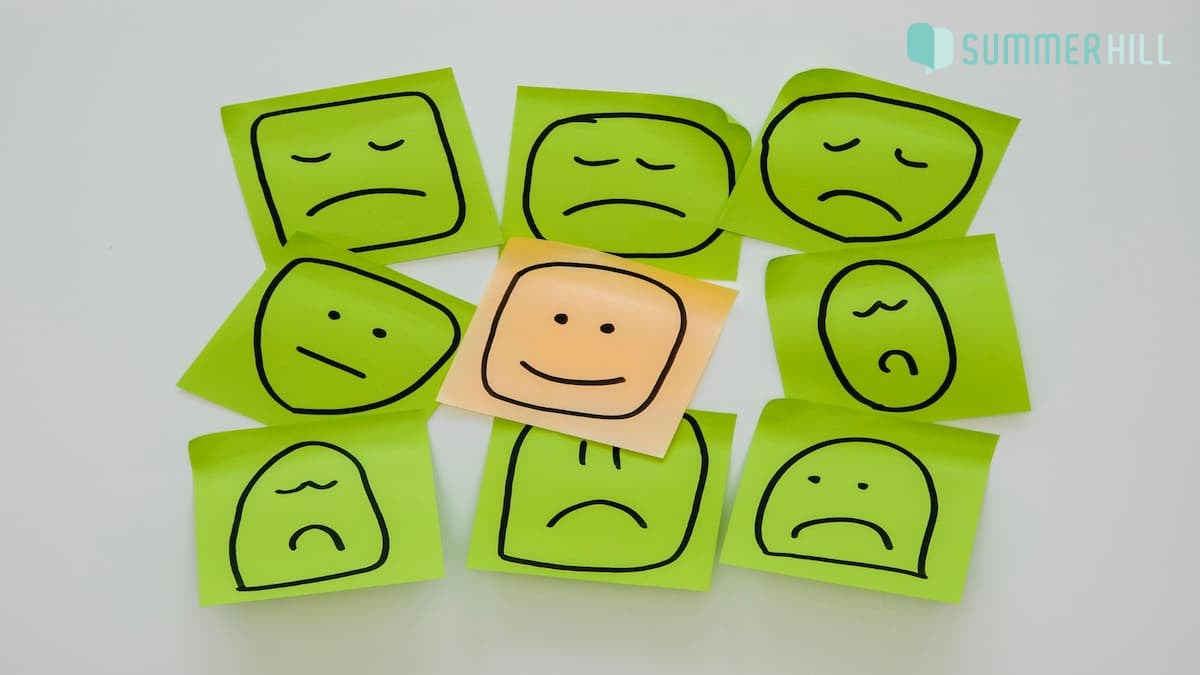
Understanding common causes helps separate temporary problems from treatable conditions.
Medical and biological causes:
- Hormonal changes, including thyroid dysfunction and reproductive hormone shifts, can change mood. Treating the underlying medical issue may reduce swings.
- Neurological or metabolic issues, such as vitamin deficiencies, can affect mood.
- Medication or substance effects, including withdrawal, can cause rapid emotional shifts.
Psychiatric causes:
- Bipolar disorders cause distinct mood episodes, alternating high energy or irritability and low depressive episodes. These episodes tend to be more intense and longer lasting than ordinary mood swings.
- Cyclothymia is a milder, chronic pattern of fluctuating low and high moods that can still harm daily functioning if untreated.
- Major depressive disorder, anxiety disorders, personality disorders, and trauma related conditions can include mood instability as a prominent symptom.
Situational causes:
- Ongoing stressors such as relationship conflict, work pressure, chronic illness, or grief often produce persistent mood changes that feel overwhelming.
How clinicians decide, and what a diagnostic check looks like
A careful assessment is a mix of clinical interview, history, and targeted tests. What to expect during an evaluation:
- A review of symptom timing, triggers, and severity, including how mood changes affect functioning.
- Screening for mania symptoms like decreased need for sleep, grandiose ideas, or reckless behaviour, versus short term irritability.
- Medical tests were indicated, such as thyroid function or drug screening, to rule out physical causes.
- Use of mood charts or diaries to track patterns across days and weeks, which helps distinguish periodic emotional reactions from episodic mood disorders.
A psychiatric evaluation and ongoing medication management can be part of this process when indicated, and working with a qualified mental health clinician ensures safe, evidence based options are considered.
Practical tracking: how to spot worrying patterns
Keeping simple data helps you and your clinician see patterns that memory alone misses. What to record daily for 4 weeks:
- Mood rating from 1 to 10, morning and evening.
- Sleep duration and quality.
- Significant events or stressors that day.
- Substance use, including caffeine and alcohol.
- Medication changes and physical symptoms, such as palpitations or fatigue.
Why this helps:
- Repeated extreme highs or lows, or mood swings that cluster without triggers, make a mood disorder more likely.
- Presence of sleep loss with high energy or risky behaviour points to hypomania or mania.
Immediate steps you can take now, that often help
These strategies can reduce the frequency and intensity of mood swings, and they are realistic to try while you arrange professional help.
Stabilise daily life
- Prioritise consistent sleep wake times, aim for 7 to 9 hours.
- Build a simple routine for meals, movement, and wind down.
- Limit alcohol, avoid recreational drugs, and reduce heavy caffeine late in the day.
Psychological tools
- Start brief grounding techniques, such as 4 4 4 breathing or a three minute body scan.
- Use behavioural activation when you feel low; schedule one short activity that brings small pleasure or mastery.
- Learn short CBT skills for catching unhelpful thoughts and testing them.
When to involve others
- Tell a trusted person if your mood swings lead to risky choices or suicidal thoughts.
- Family support can help with medication adherence, sleep routines, and monitoring for warning signs.
These steps do not replace clinical care for mood disorders, but they reduce immediate harms and support stability while you seek help.
Treatment options clinicians typically recommend

Treatment is tailored to the cause and severity, and often combines approaches.
Psychotherapy and skill based treatments
- Cognitive behavioural therapy addresses negative thinking and behavioural patterns.
- Dialectical behaviour therapy teaches emotional regulation and distress tolerance for people with marked mood instability.
Medications
- Mood stabilisers, such as lithium or anticonvulsant mood stabilisers, are central treatments for bipolar disorder.
- Antidepressants are used carefully, sometimes together with mood stabilisers, especially when bipolar disorder has not been ruled out.
- For mood symptoms linked to medical causes, treating the underlying medical issue frequently improves mood.
Combined care and follow up
- Regular follow up ensures treatments are adjusted for benefit and side effects, and psychotherapy combined with medication gives better long term outcomes for many people.
How to prepare for a first appointment, and what to bring
A focused first visit speeds diagnosis and treatment.
Bring or prepare
- A 2 to 4 week mood diary or chronology of mood changes.
- A list of current medications and supplements.
- Notes on sleep, appetite, energy, and any risky behaviours.
- Family history of mood disorders, if known.
Questions to ask the clinician
- What diagnoses are you considering and why?
- What tests do you recommend to rule out medical causes?
- What are the short and long term treatment options?
- How will we track progress and side effects?
FAQs
Can stress alone cause mood swings, or is it always a disorder?
Stress can cause temporary mood swings that resolve with rest and coping. If swings are persistent, extreme, or impair function, they may reflect a mental health condition needing evaluation.
How long should I track my mood before seeing a clinician?
Track mood for two to four weeks to spot patterns, but seek help sooner if mood swings affect safety, work, relationships, or include suicidal thoughts.
Will treatment remove mood swings completely?
Treatment aims to reduce frequency and severity, restore function, and improve quality of life. Many people achieve stability with therapy, medication when appropriate, and lifestyle changes.
Finding Stability Through Self-Understanding
At Summer Hill, we help you make sense of your emotional patterns in a supportive, nonjudgmental space. Our therapists in New York specialize in helping clients identify whether mood changes stem from daily stress or deeper imbalances. With personalized care and evidence-based tools, we’ll guide you toward stability, clarity, and emotional balance.
You don’t have to guess what’s “normal” anymore, together, we’ll uncover what your mind and body are signaling. Reach out today to start creating steady ground beneath life’s emotional waves and reclaim a sense of calm, confidence, and control in your daily life.
