

Key Points:
- Excessive use of social media can contribute to anxiety, depression, and low self-worth.
- The curated nature of online content often leads to unhealthy comparisons and validation-seeking.
- Setting boundaries and fostering mindful online habits can significantly protect mental health.
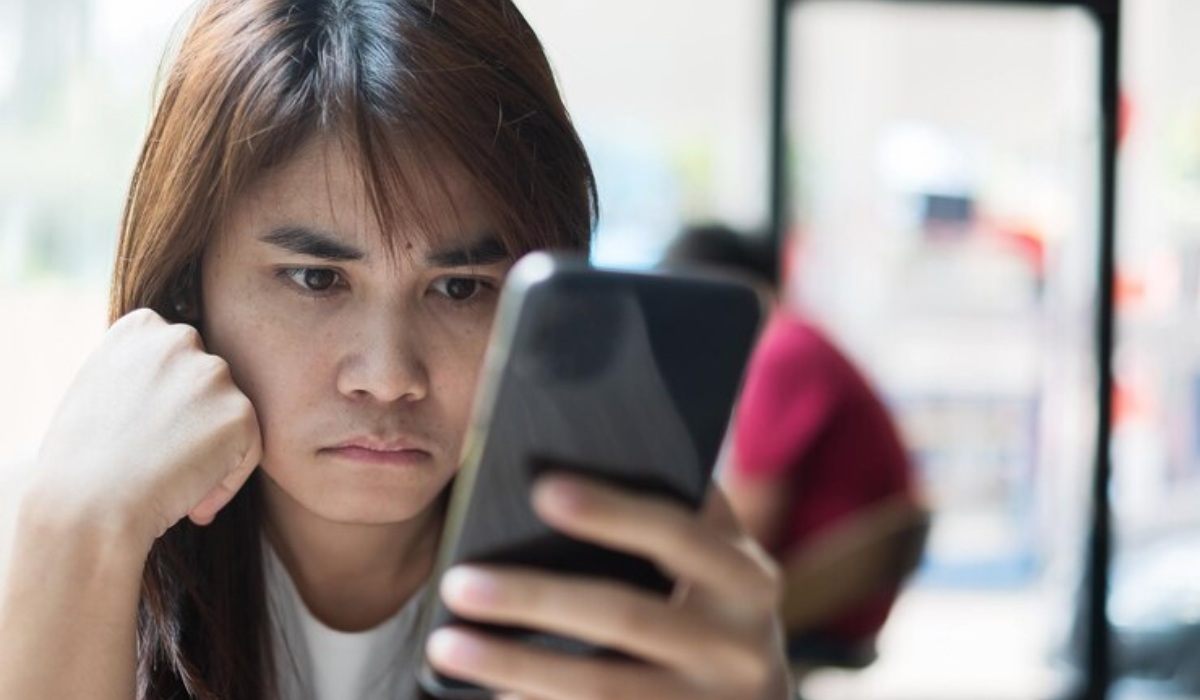
Social media was meant to connect us—but somewhere along the way, it began to chip away at our peace of mind. For many, the constant scrolling, comparing, and craving for likes has quietly become a mental health hazard. If you’ve ever logged off feeling worse than when you logged on, you’re not alone.
In this article, we’ll expose the hidden dangers of mental health with social media, diving into how these platforms affect mood, self-esteem, relationships, and even our sense of reality. We’ll also walk through practical solutions to help reclaim balance.
The Pressure of Perfection: Comparing Lives Through Filters
Social media feeds are filled with highlight reels—perfect bodies, exotic vacations, flawless skin, and “hustle culture” success stories. What’s often left out are the bad days, the self-doubt, and the messy middle.
How Comparison Impacts Mental Health:
When people consume these filtered realities without context, it fuels an unrealistic standard for how life should look. Over time, this can lead to:
- Low self-esteem: Feeling like you’re never doing enough or measuring up.
- Anxiety and overthinking: Constantly questioning your worth or worrying about how you’re perceived online.
- Depression and withdrawal: Believing everyone else is happier or more successful can worsen depressive symptoms.
It’s Not Just Teenagers
Although teens are especially vulnerable, adults are far from immune. Working professionals, parents, and even seniors have reported increased feelings of inadequacy and burnout linked to excessive social media use.
Protective Steps:
- Curate your feed by muting accounts that trigger comparison.
- Remind yourself that posts are curated, not reality.
- Take regular social media breaks to reset your perception.
Addiction in Disguise: The Dopamine Loop
Many platforms are designed to be addictive. Likes, notifications, and endless scrolling all play into a reward system that keeps users hooked.
The Science Behind the Scroll
Every like or comment gives a small dopamine hit, making users return for more. This creates a loop where people check their phones out of habit, even in moments of stillness, boredom, or sadness.
The Side Effects of Social Media Dependency
- Reduced attention span: Constant switching between apps can impair focus.
- Sleep problems: Blue light and late-night scrolling disrupt circadian rhythms.
- Escapism and avoidance: People use social media to avoid real-life problems, delaying action or emotional processing.
What Helps:
- Turn off push notifications.
- Designate screen-free hours or zones at home.
- Use apps like “Forest” or “Freedom” to limit usage and stay focused.
 The Weight of Online Validation
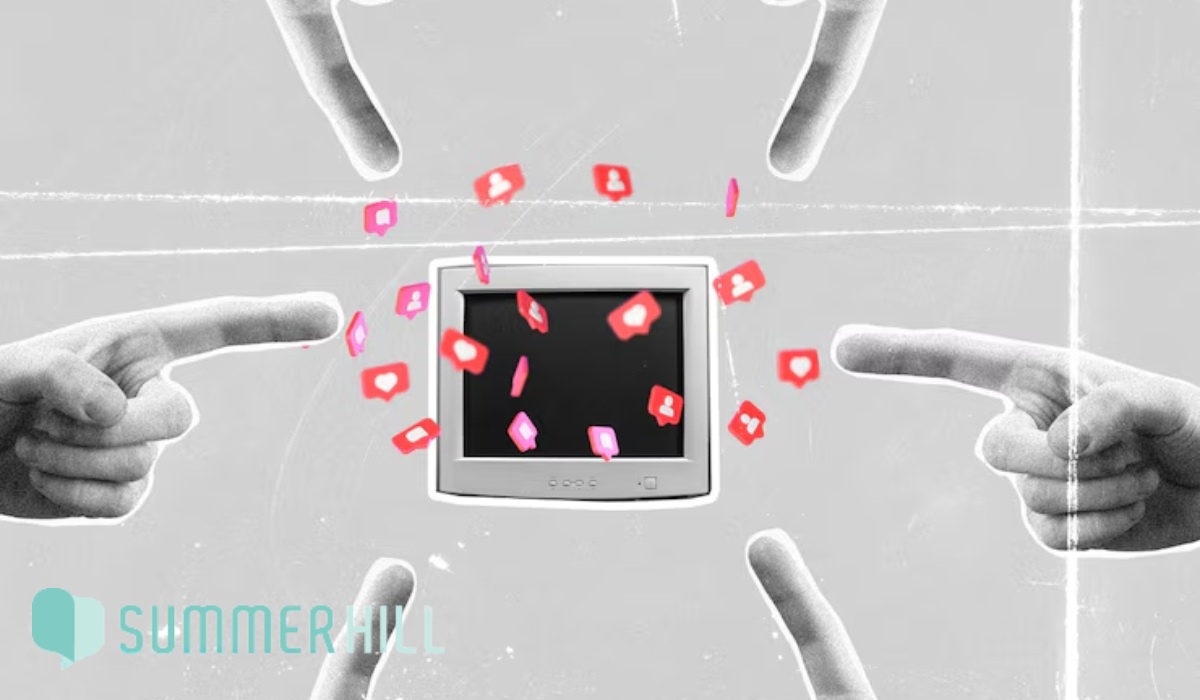
Social media creates a system where self-worth is easily tied to likes, comments, and follower counts. This can deeply impact mental health, especially when posts don’t perform well.
Emotional Risks of Validation-Seeking
- Mood fluctuations: Feeling elated with online praise, then crushed without it.
- Loss of authenticity: Altering personality or beliefs just to gain approval.
- Chronic insecurity: Constantly needing reassurance from external sources.
How to Break Free:
- Post content that aligns with your values, not trends.
- Measure your day by your real-life experiences, not digital engagement.
- Focus on strengthening offline relationships.
Cyberbullying and Toxic Online Culture
Behind the screen, some people feel emboldened to say hurtful things they would never say in real life. Whether it’s direct bullying, cancel culture, or passive-aggressive comments, online spaces can quickly become toxic.
The Real Mental Health Consequences
- Increased anxiety and depression: Victims of cyberbullying are more likely to struggle with their mental well-being.
- Social isolation: People withdraw out of fear of judgment or ridicule.
- Trauma responses: Repeated online harassment can lead to symptoms of PTSD.
It’s Not Just Public Figures
Everyday users experience online harassment, sometimes in subtle forms like exclusion, gaslighting, or public shaming.
Ways to Cope and Recover:
- Block and report abusive accounts.
- Limit time spent on platforms where negativity thrives.
- Seek therapy if the experience has left lingering emotional distress.
 Distorted Reality and Mental Health Illusions
The line between real life and online life is becoming increasingly blurred. Social media often presents a distorted lens on relationships, success, beauty, and happiness.
Harmful Illusions We Absorb
- Everyone else is doing better than me.
- I need to be constantly productive to be valued.
- Love looks like constant grand gestures and perfect photos.
The Impact on Mental Clarity
These distorted messages can lead to chronic stress, decision paralysis, and the feeling of being perpetually “behind” in life.
Grounding Yourself in Reality:
- Limit your daily consumption of content that feels performative.
- Keep a gratitude journal that tracks real-life wins and joy.
- Practice digital detox weekends to reconnect with the physical world.
5 Signs Social Media is Harming Your Mental Health
If you’re unsure whether social media is having a negative impact on your mental health, look out for these warning signs:
- You feel drained or irritable after using it.
- You scroll as a way to escape negative emotions.
- You compare yourself constantly to others.
- You worry about how your posts are perceived.
- You’re losing sleep or neglecting responsibilities because of it.
If you notice multiple signs, it may be time to reassess your online habits.
Practical Tips for Healthier Social Media Habits
Transitioning to a healthier relationship with social media doesn’t mean cutting it out completely. It means using it in a way that supports—not sabotages—your mental health.
Actionable Steps to Try:
- Set daily screen time limits using your phone’s settings.
- Follow accounts that uplift or educate, not ones that trigger envy or guilt.
- Engage more consciously: Comment meaningfully, message real friends, and avoid mindless scrolling.
- Mute or unfollow people or brands that make you feel inadequate.
- Replace screen time with time outdoors, hobbies, or face-to-face conversations.
Building a healthier dynamic with social media is a process, not a one-time fix. But each small step contributes to more mental clarity and peace.
 Talk About It: Encouraging Conversations Around Social Media and Mental Health
Many people struggle silently with the emotional toll of social media because it’s so normalized. Talking about it—at home, at school, in the workplace—can reduce stigma and open doors for support.
Ideas for Starting the Conversation:
- Ask, “How does social media affect your mood?”
- Share a personal experience with burnout or anxiety from overuse.
- Explore boundaries together (like family screen-free hours).
Mental health with social media is a shared challenge. The more we acknowledge it, the better chance we have at healing from it—together.
Seek Support If It Becomes Overwhelming
While changing habits is a good start, professional help may be necessary if you’re experiencing severe symptoms of anxiety, depression, or disordered thinking triggered or worsened by social media. Therapists, support groups, and mental health apps can all play a role in recovery.
If you’re in crisis, reach out to a local mental health professional, hotline, or crisis center. You don’t have to navigate this alone.
Get Support from Professionals Who Understand
If you’re ready to reclaim your peace and reset your relationship with social media, get the support you deserve from the compassionate team at Summer Hill. Whether you’re dealing with anxiety, low self-worth, or emotional exhaustion caused by online overload, our mental health services in New York are designed to meet you where you are.
At Summer Hill, you’ll find experienced professionals who understand how deeply modern digital life affects our minds—and how to help you restore balance. Whether you’re seeking therapy, counseling, or coping tools for navigating the pressures of social media, we’re here to guide you.
Reach out today and start your path to a mentally healthier, more grounded life.
